Building the ecosystem for a just, agreed-upon solution
BI-Pal takes the first critical steps toward a political process for the Palestinian issue — built on a shared evidence base, a broad network, and a common set of values.
Building the ecosystem
BI-Pal seeks to take the first critical steps in building the ecosystem that addresses the Palestinian context.
Mobilizing diverse leaders
BI-Pal seeks to identify, engage and mobilize a significant network of diverse leaders.
Enabling a political process
BI-Pal aims to contribute to the enabling of a political process towards a solution based on core values of dignity, freedom, equality, justice and self-determination.
Solving real challenges
BI-Pal aims to find solutions to problems and challenges related to the context.
A theory-and-practice methodology
Adopting a "theory and practice" methodology, BI-Pal works through two interdependent strategic pillars.
The Evidence-Based Research Program
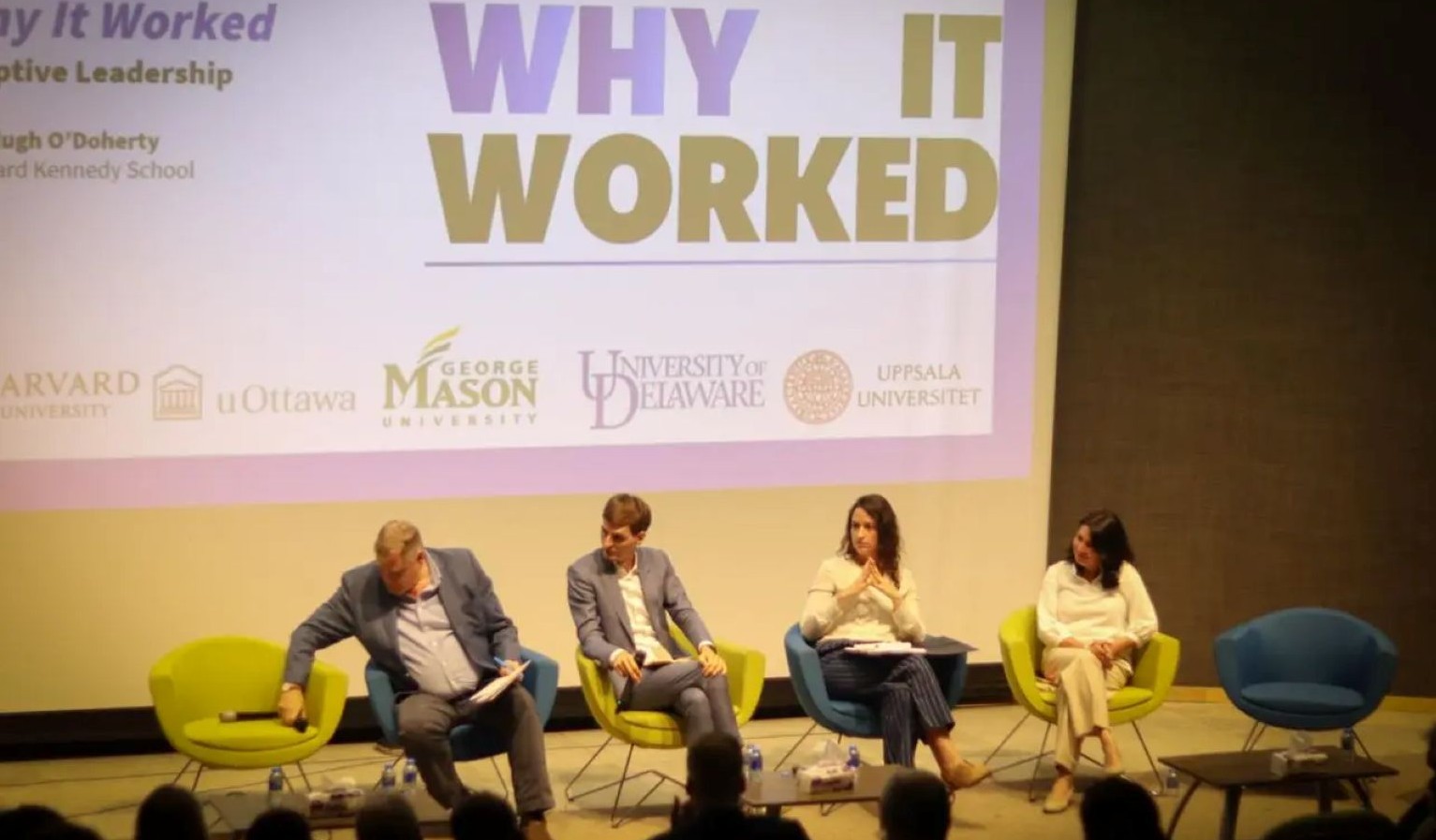
Learning the insights of a comparative analysis study (Why It Worked) of areas of conflict, devised and funded by Bridging Insights, Inc. and designed and led by Harvard Kennedy School's Negotiation and Conflict Resolution Collaboratory, to understand the factors that helped parties in conflict areas engage in a political process — then applying a contextualized toolkit based on that evidence to diagnose gaps and challenges and allow for interventions.
The Engagement, Outreach and Collaboration Program
Engaging the Palestinian community through both top-down and bottom-up methods, creating safe spaces where pluralism is harnessed for constructive change, and including the perspectives and insights of relevant partners and stakeholders.
Five steps, grounded in evidence
Each step builds on the last — from studying what has worked elsewhere to creating space for change at home.
A comparative analysis study (Why It Worked) of areas of conflict, to identify factors that help in conflict resolution.
Applying evidence based and a contextualized toolkit for conflict resolution from WIW
Engaging the Palestinian community through both top-down and bottom-up methods.
Creating safe spaces where pluralism is harnessed for constructive change.
Including the perspectives and insights of relevant partners and stakeholders.
What guides the work
Why this matters
New approaches, locally owned
There is a need for new approaches to conflict resolution that is driven and owned by relevant stakeholders.
Top-down and bottom-up
The dual approach ensures the inclusion of perspectives from all societal levels, fosters meaningful dialogue and cultivates a sense of agency and ownership.
Stronger foundations
These efforts build the foundations for equitable socio-political representation, intergenerational and cross-geographical cohesion, and stronger regional and international partnerships.
A reason for hope
International conflicts that were protracted and seemed to have reached a stalemate were resolved — and that gives hope to the Palestinians.
A more cohesive society
Research shows that a sustainable political process requires a society that is more cohesive, more resilient, and better able to organize, manage internal tensions, engage differences constructively, and respond collectively when political openings emerge.
Addressing internal challenges
Building on insights from studying successful political processes of areas where conflicts were resolved, it is evident that internal challenges within Palestine need to be addressed.
"Creating hope." that's why it matters
Turning insight into action
BI-Pal works through its two pillars to generate knowledge and identify and engage the relevant stakeholders.
In practice, that means focusing on advancing young leaders, strengthening internal cohesion, endorsing a culture of dialogue, acceptance of the other, rebuilding trust, protecting civic space, and creating inclusive forms of community participation.
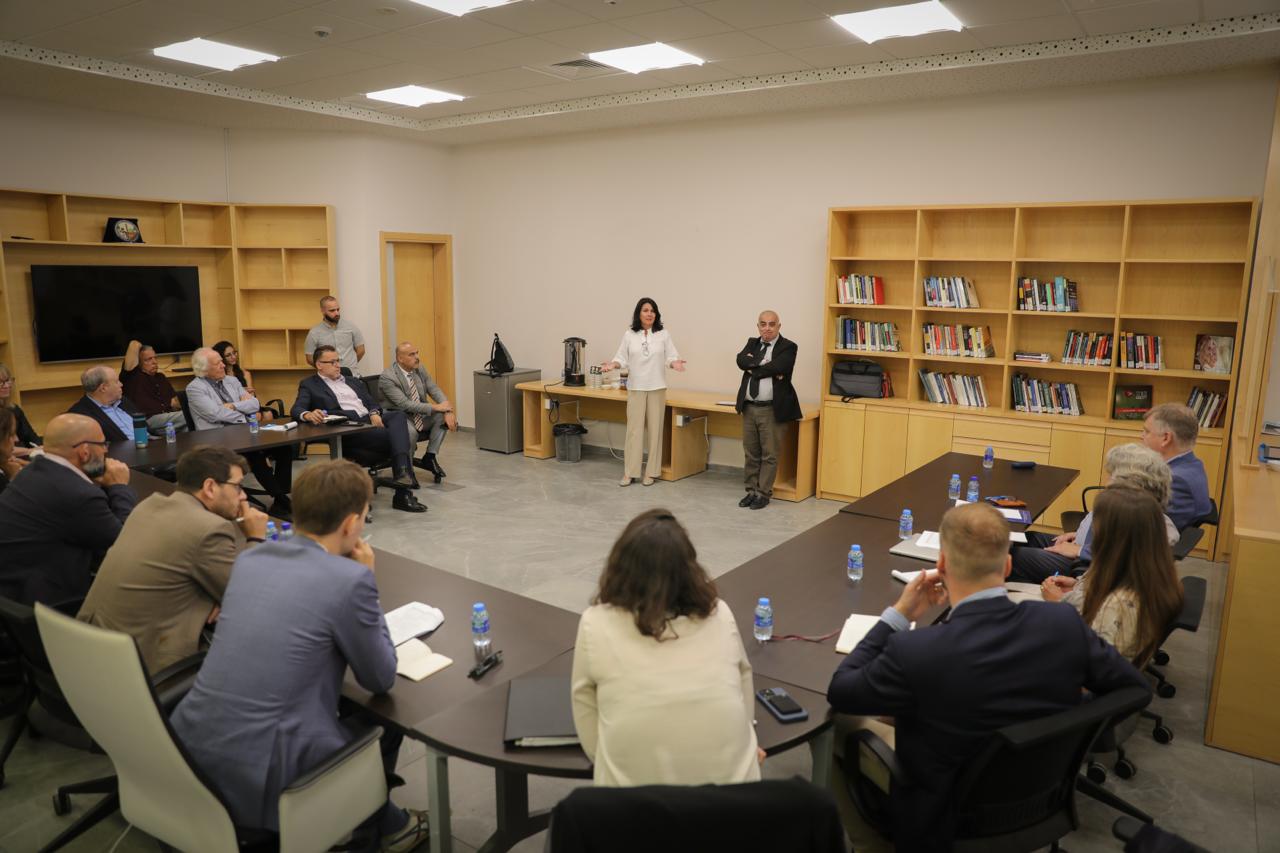
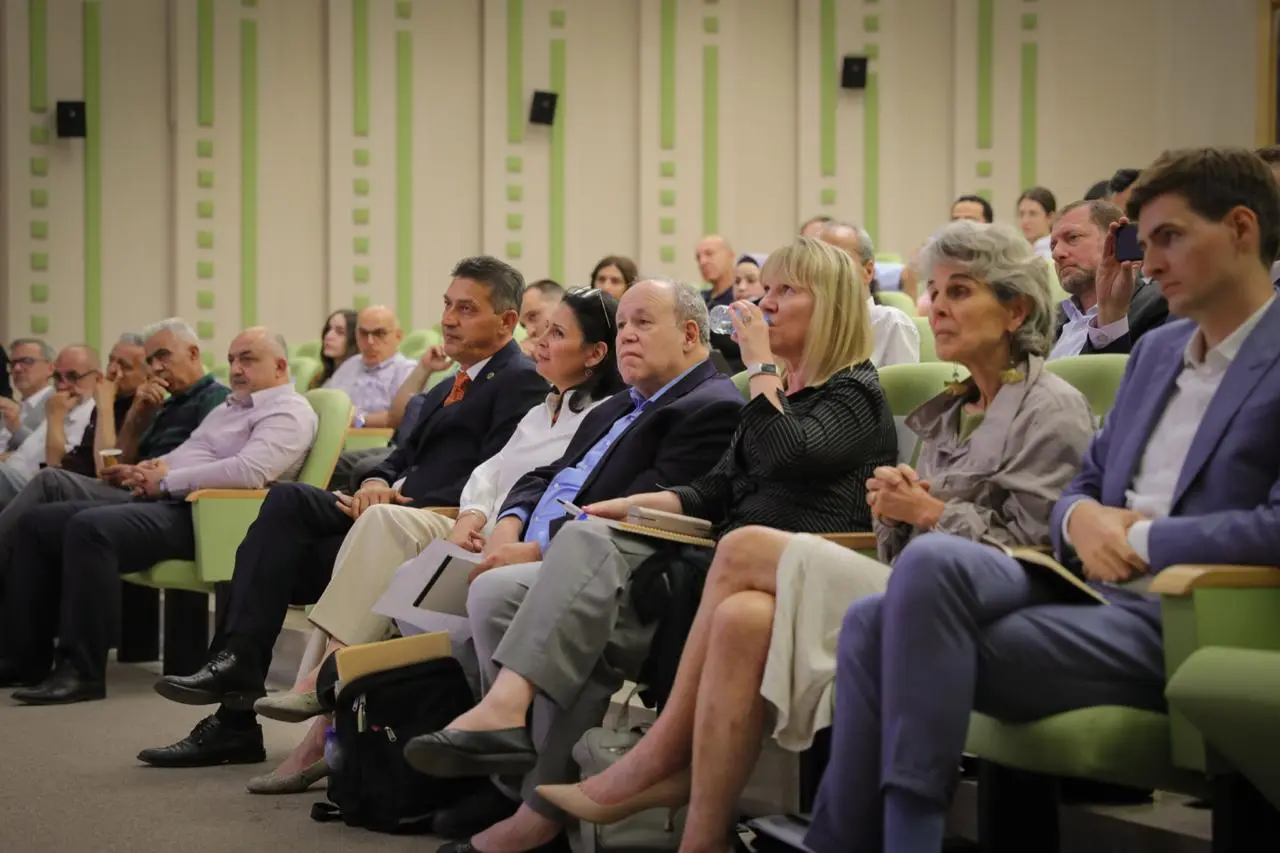
A broad, cross-sector network
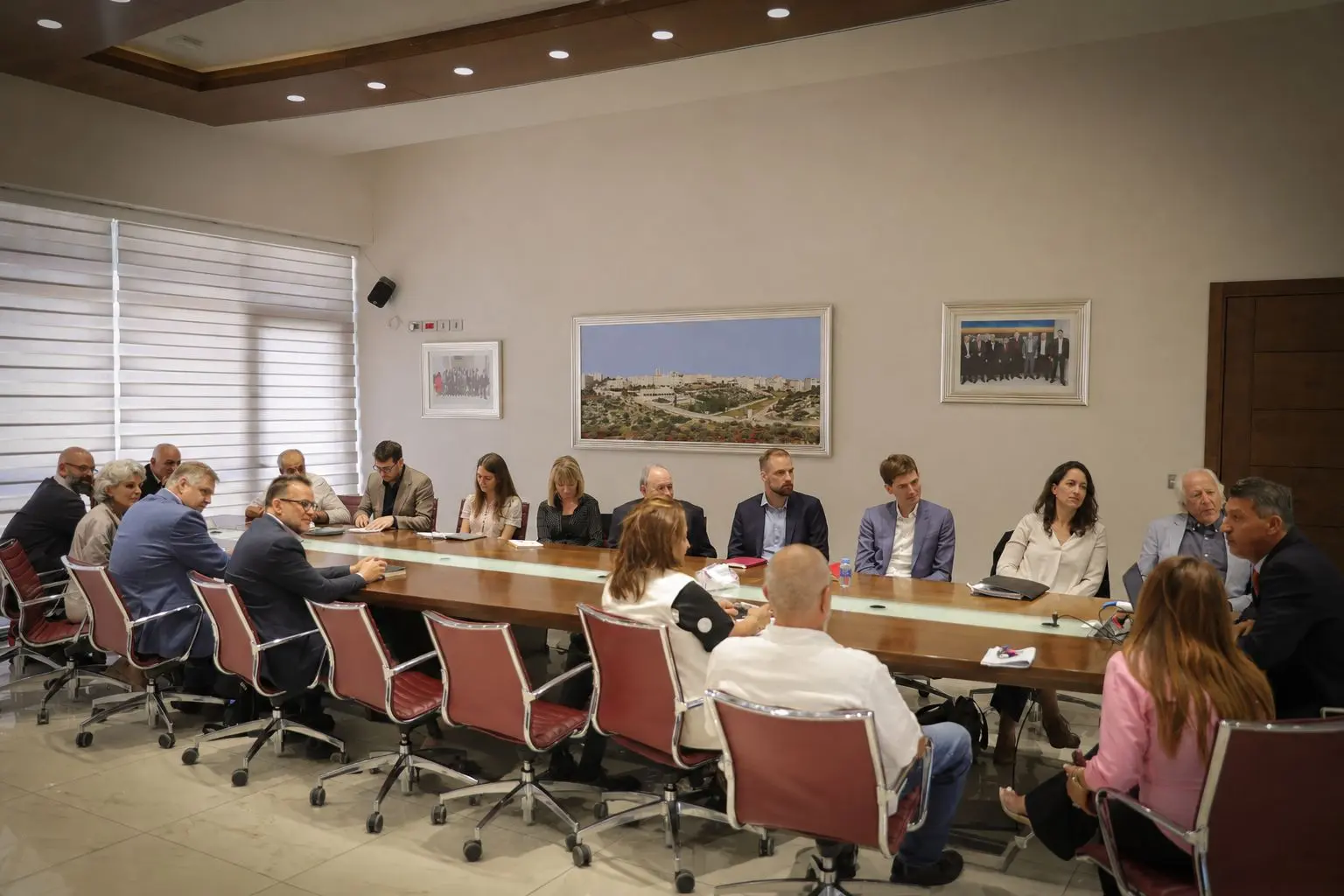
Through a top-down and bottom-up approach, BI-Pal engages with academics, practitioners, civil society organizations, academic institutions, research centers, and youth networks.