Comparative case studies

Takeaways from Case Studies

Selected takeaways from the Why It Worked comparative analysis of Northern Ireland, Sudan, and Bangladesh — three areas of conflict studied to identify the factors that helped enable a political process.

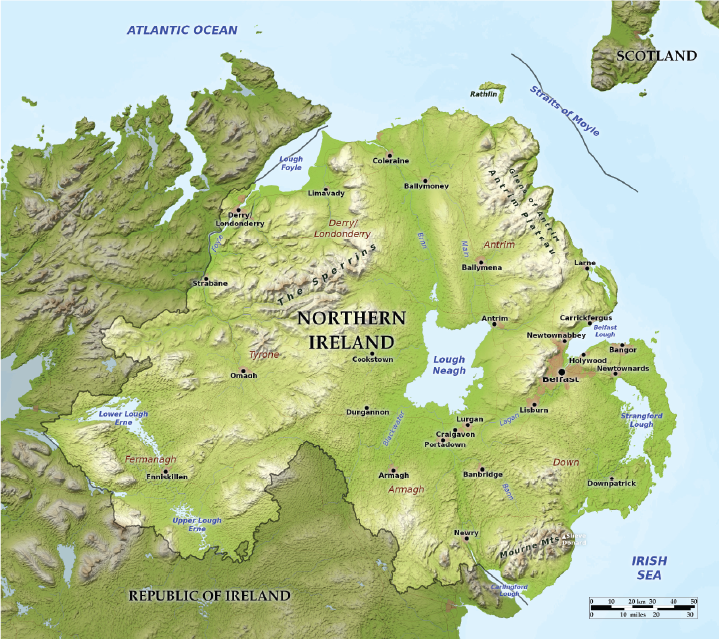
Map of Northern Ireland
Northern Ireland
  • The inclusion of the countries’ major political parties is based on the idea that if the negotiation forums were broadly representative of the political spectrum at large, this would increase the legitimacy and acceptance of the process among the population.
  • Religious leaders play a crucial role in facilitating dialogue between conflicting parties, leading to the Good Friday Agreement.
  • Land, water, and natural resources as reasons to make peace: the desire for personal security.
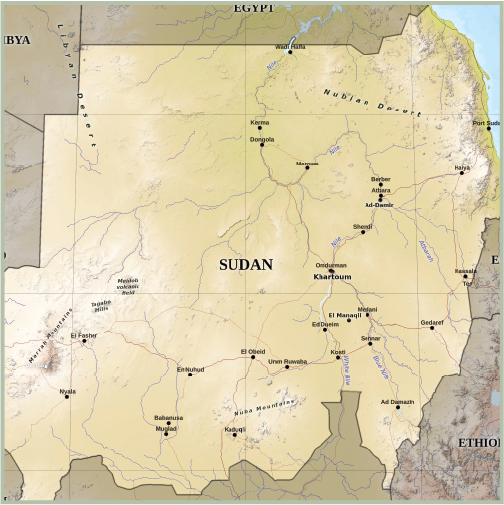
Map of Sudan
Sudan
  • An exclusively top-down approach to stakeholders and a lack of inclusion undermines the peace process by signaling the need to join a military party to have a voice in negotiations.
  • Women’s expectations can help reach compromises even without formal involvement in the peace process but need greater involvement.
  • Hiding the peace process negotiations from the public and not providing trusted access to information undermines the peace process.
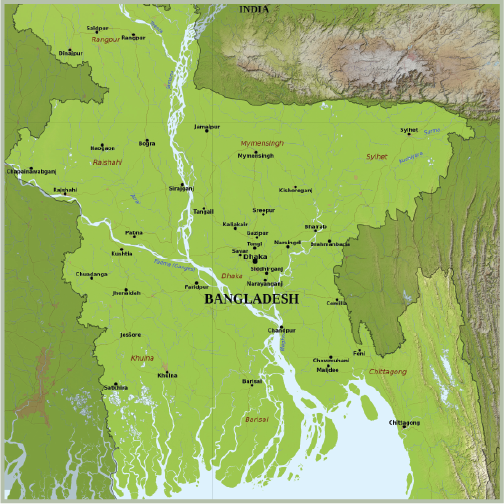
Map of Bangladesh
Bangladesh
  • The loss of right to self-determination/autonomy was a cause of conflict.
  • Mechanisms including a Regional Council to distribute land and a Commission to manage land disputes were conducive to peacebuilding.
  • Conditions such as the lack of inclusivity/representation, and general lack of buy-in of the agreement, are detrimental to successful peacebuilding.
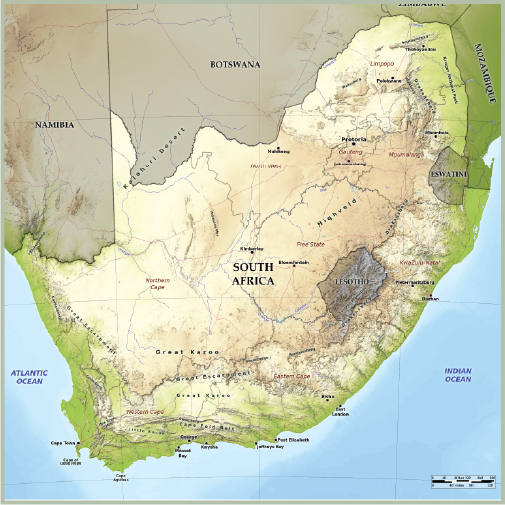
Map of South Africa
South Africa
  • A unified society based on majority rule, and a constitution built on power-sharing, minority protection, and group self-determination are crucial factors in conflict resolution.
  • The “third force”—a covert strategy designed to divide the Black community into opposing factions and weaken the liberation movement.
  • Bantustans were established to forcibly relocate the Black majority, barring them from urban areas.
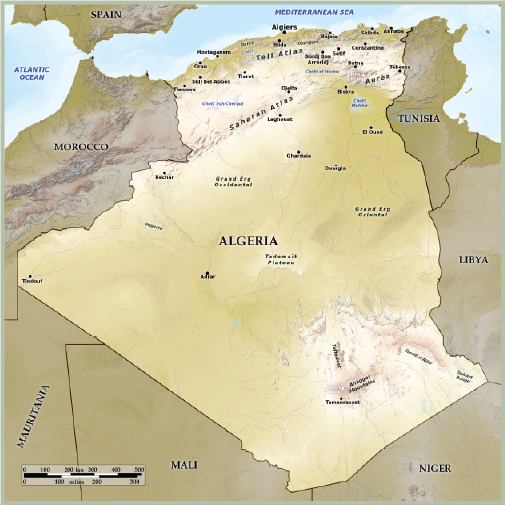
Map of Algeria
Algeria
  • France confiscating Algerian lands led to the displacement of Algerians and reduced much of the native population to poverty.
  • France’s primary source of power and leverage in the negotiations was its military might and its control over Algeria.
  • Algeria had one-party rule for decades and suffered from an economy highly dependent on the price of oil. When the price of oil plummeted, civil unrest broke out again in Algeria.
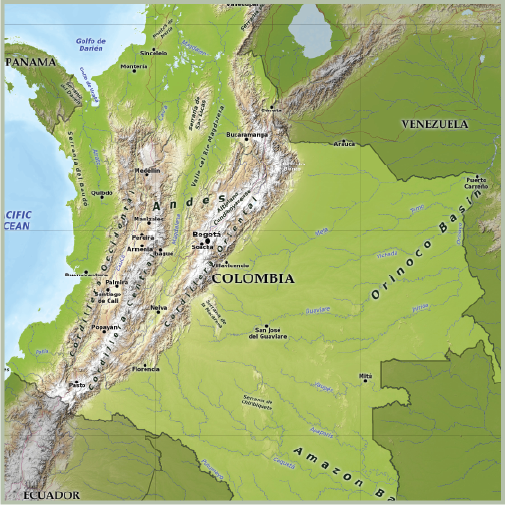
Map of Colombia
Colombia
  • With U.S. support, the Colombian government launched a large military campaign to fight left-wing rebel groups and committed many human-rights abuses.
  • The US and the European Union were crucial supporters in the later peace deals.
  • The Colombian-FARC conflict shows that negotiating without a ceasefire is possible, and it might pressure both sides to reach an agreement.